
Road Salt Runoff Solutions for Lake Wilcox in Richmond Hill |
How salt pollution lake levels and salt absorbing grasses are reshaping water quality efforts |
For decades, winter roads in Richmond Hill have been kept safe with one familiar tool — road salt.
But the runoff from those salted streets has been quietly flowing into Lake Wilcox, and the consequences for water quality are now impossible to ignore.
Salt pollution lake levels at Lake Wilcox have been climbing steadily since the mid-1990s, tracking nearly every wave of suburban expansion across the watershed.
Researchers studying the lake's chemistry have found that chloride concentrations have risen dramatically over nearly three decades, a direct result of road salt runoff washing off impervious surfaces and into the water supply.
The effects go beyond a change in taste.
Rising salinity strengthens lake stratification, cutting off oxygen to deeper waters and triggering internal phosphorus loading — a combination that fuels harmful algal blooms and threatens the broader freshwater food web.
Scientists warn that if current trends continue unchecked, the lake's natural fall overturn cycle could be disrupted entirely by mid-century.
That alarming projection has pushed local action into a new phase.
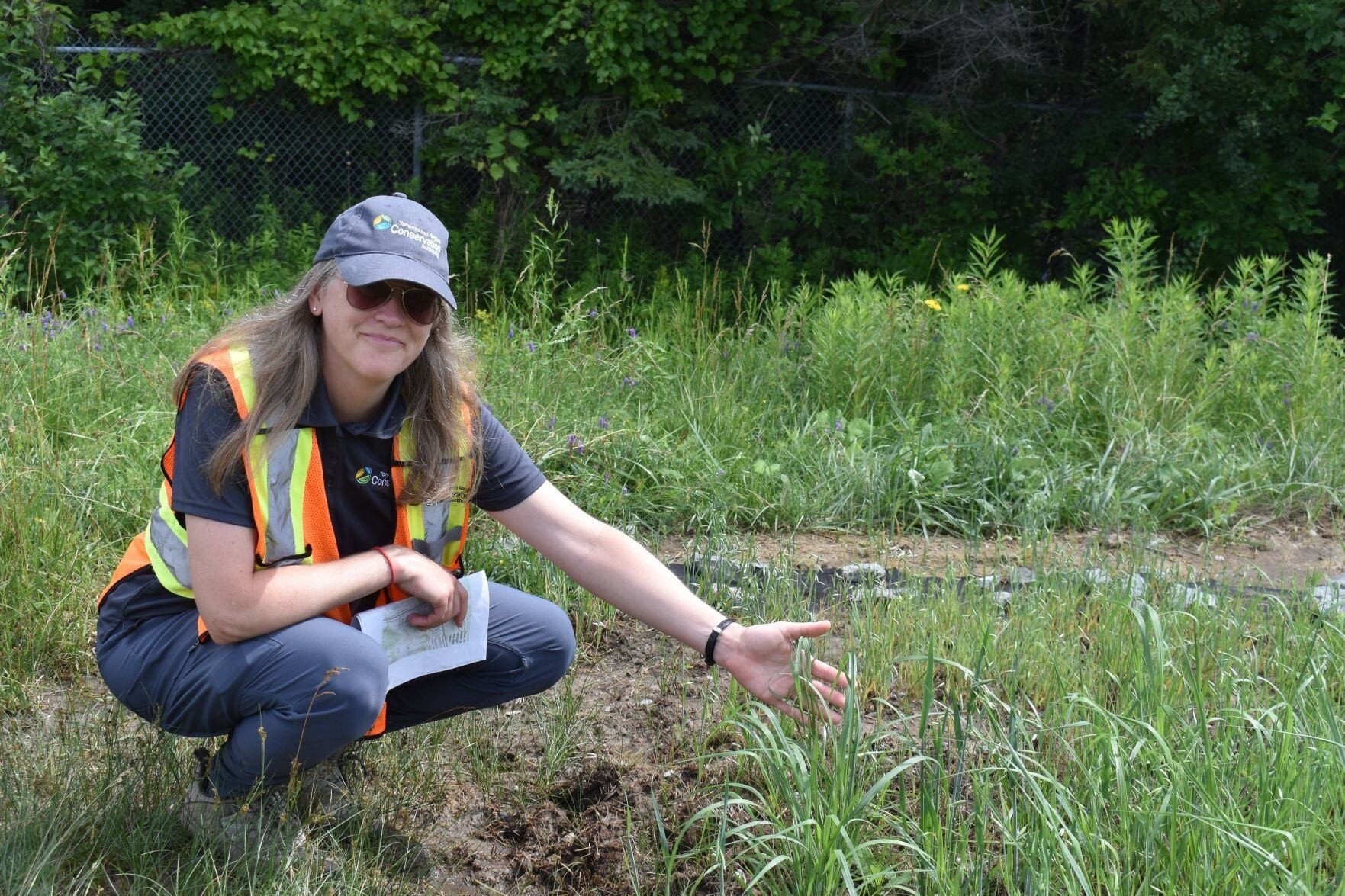
York Region and the City of Richmond Hill have partnered with a coalition of research institutions to launch an innovative five-year pilot program testing whether salt-absorbing grasses and other salt-tolerant plants — known as halophytes — can intercept chloride before it reaches the lake.
In June 2024, researchers gathered to share early findings, with one key takeaway rising above the rest: strategic planting of salt absorbing grasses along roadside corridors and stormwater margins may offer a natural buffer against ongoing contamination.
The approach is as practical as it is promising.
Rather than waiting for costly infrastructure overhauls, these plants work quietly at the soil level — drawing in salt-laden water and reducing the chloride load before it enters the watershed.
Officials have also signaled that watershed management plans are being updated to prioritize reducing road salt application rates directly, not just managing downstream phosphorus exports as had been the earlier focus.
The shift in strategy reflects a growing recognition that road salt runoff is no longer a secondary concern — it is the primary driver of water quality decline at Lake Wilcox.
For Richmond Hill residents who swim, fish, and recreate on the lake each summer, the stakes feel personal.
Community members have increasingly voiced concern over the visible changes in water clarity and the recurring algal blooms that have shadowed warm-weather seasons in recent years.
Experts are clear: reducing salt pollution lake contamination is not something that can wait for the next funding cycle or the next election. The window to protect Lake Wilcox is open — but it will not stay that way forever. |
0 Comments
Join the conversation
Be the first to comment
Share your thoughts above.